Hello everyone! 안녕하세요 여러분.
After arriving in Seoul on September 19, 2021 I spent the day meeting my birth mother, sister, two aunts, and my uncle after when I stayed with my birth mom and sister at their home Nowon-Gu. ( Nowon-Gu 노원구 is a residential district in northeastern Seoul).
The next day, September 20, 2021, was the official start to the public holiday for Chuseok 추석, which is one of the largest holidays celebrated in Korea. Chuseok is a mid-autumn harvest festival with a major focus around family and ancestors. For this holiday, Koreans often gather with their families, perform Charye 차례 (ancestral memorial service), Seongmyo 성묘 (visit to ancestral graves), and eat a large feast (which is prepared as an offering to the ancestors).
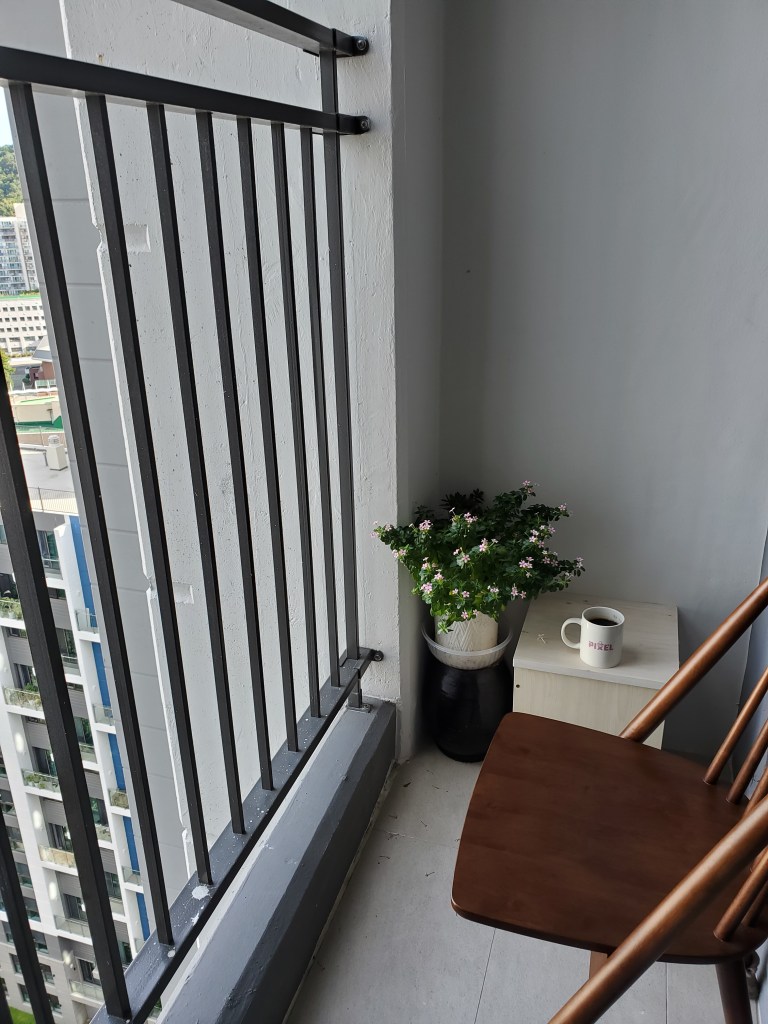
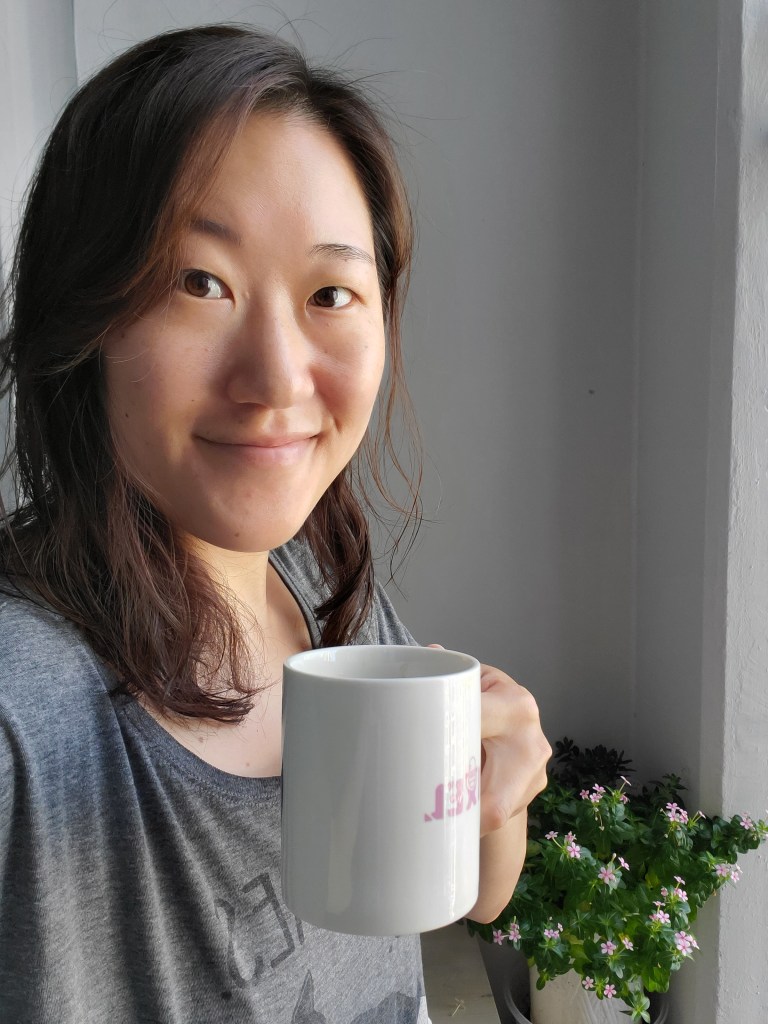
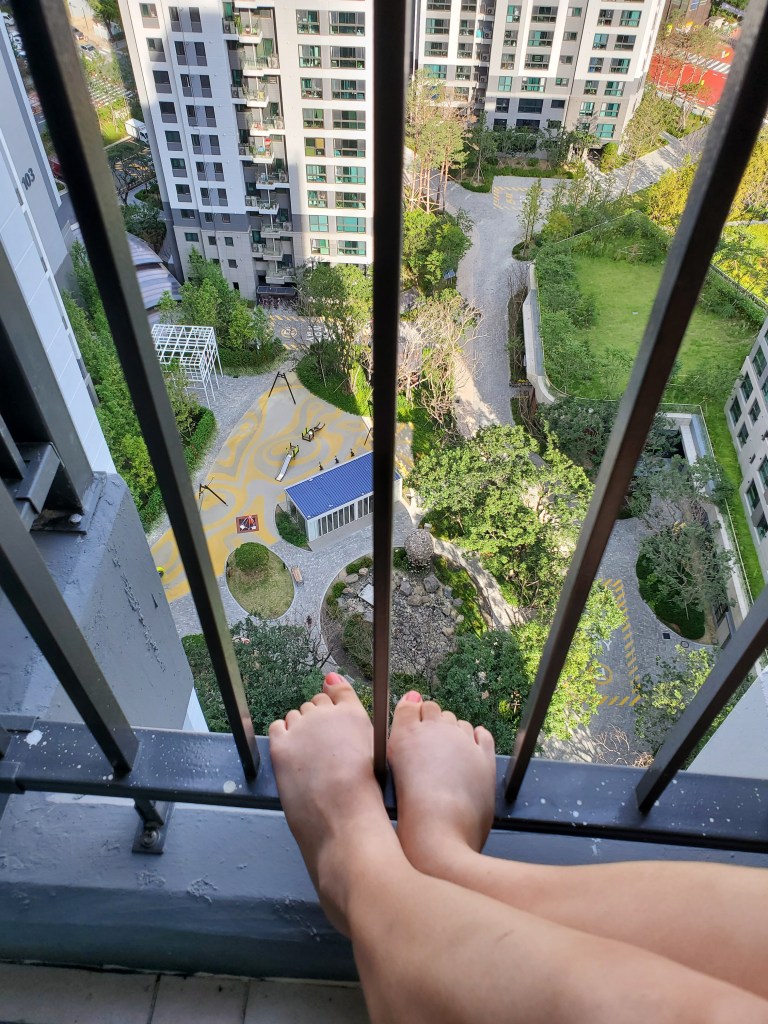
I started my day with a nice, quiet cup of coffee that my birth mother (whom I will just refer to as “eomma” 엄마) prepared for me. She noticed that I went out on the deck and was standing and wanted me to be comfortable. So she gathered a little pot of flowers and a chair so I could enjoy the coffee outside. Super sweet of her. 🙂

Because I’d gotten quarantine exemption, and had taken another Covid test in Nowon-Gu the day I arrived which showed I was negative for Covid, I was free to travel around.
Eomma wanted to take a walk with just me and show me around. It is worth noting, she didn’t understand or communicate in English (the same for many older people in Korea). So, we mostly held hands or arms, and if she spoke I would do my best to understand, and would ask questions/respond to her using Papago as a quick translator if I was unable to adequately express myself in Korean.
We walked around the neighborhood and she pointed out all of the places that she usually goes, including the walk she makes 6 days a week to travel to and from the salon that she runs in another part of Seoul.
We walked quite a bit, ending up along a popular walking path that runs along a river. We took breaks along the way and sat together on benches, just quietly communicating as best we could. I felt that she just wanted to spend time with me, be near me and have me be near her, getting to know about each other despite our giant communication gap. She pointed out the names of a lot of the plants and flowers as we walked (something I learned she had a real knack for. In fact, this characteristic inspired the tattoo I got in Seoul, which I’ll talk about in a future blog post). 🙂
While impromptu and “simple”, this time spent together ended up being one of the most lasting and intimate memories I have of my eomma from my time in Korea.


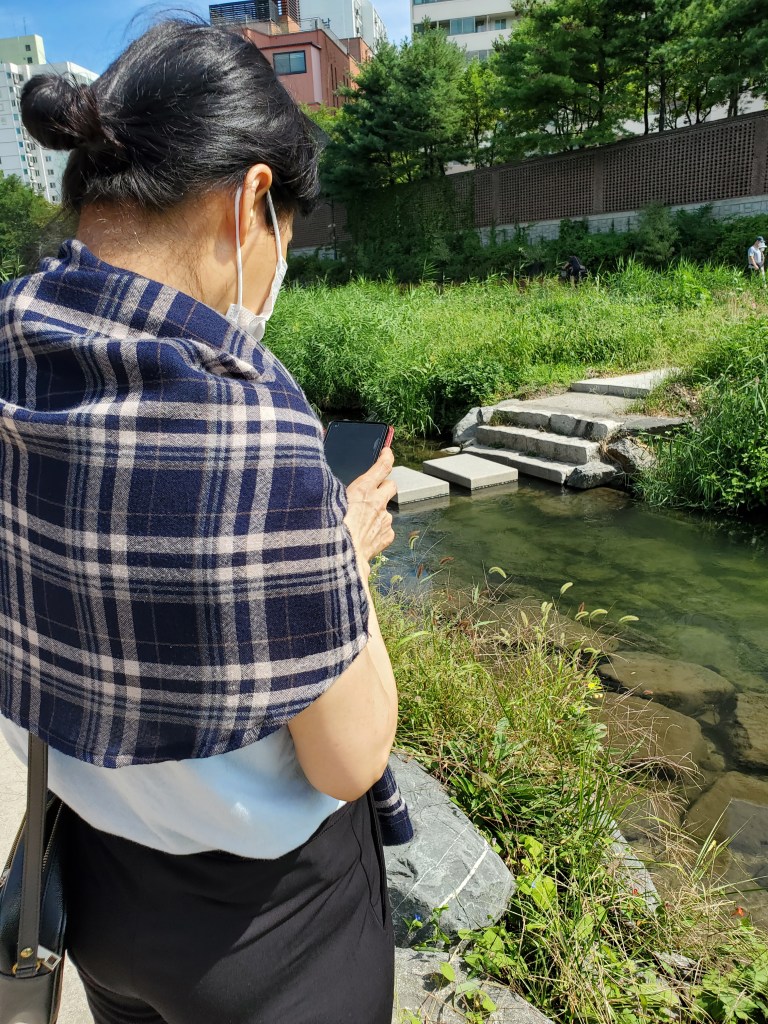
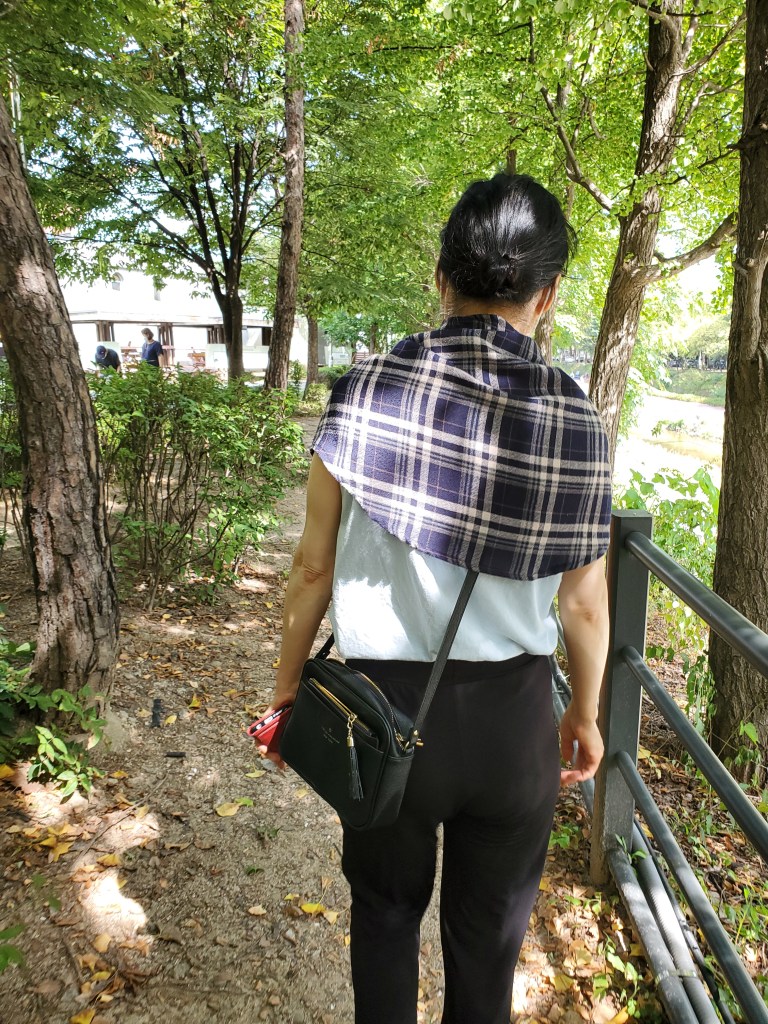
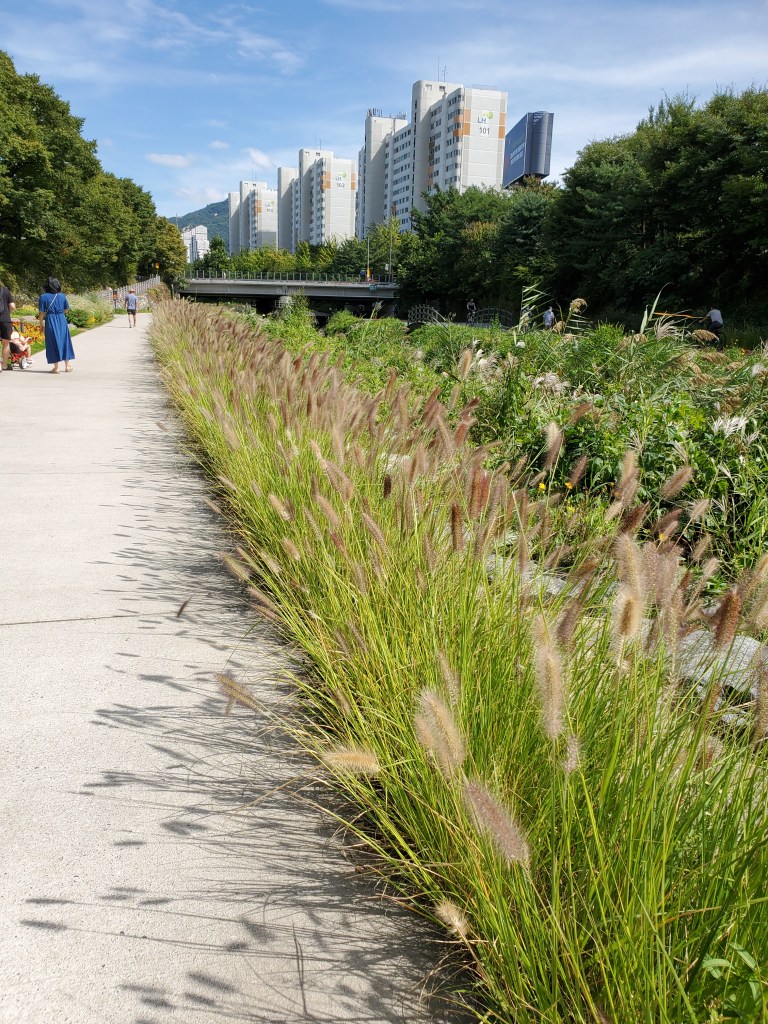
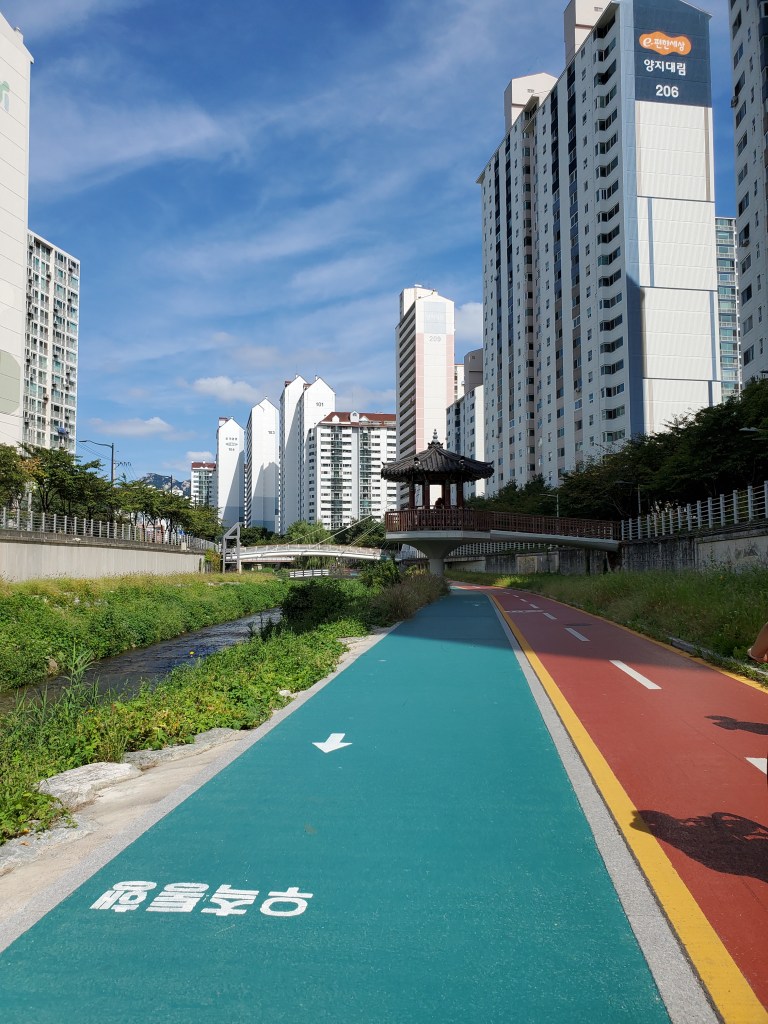


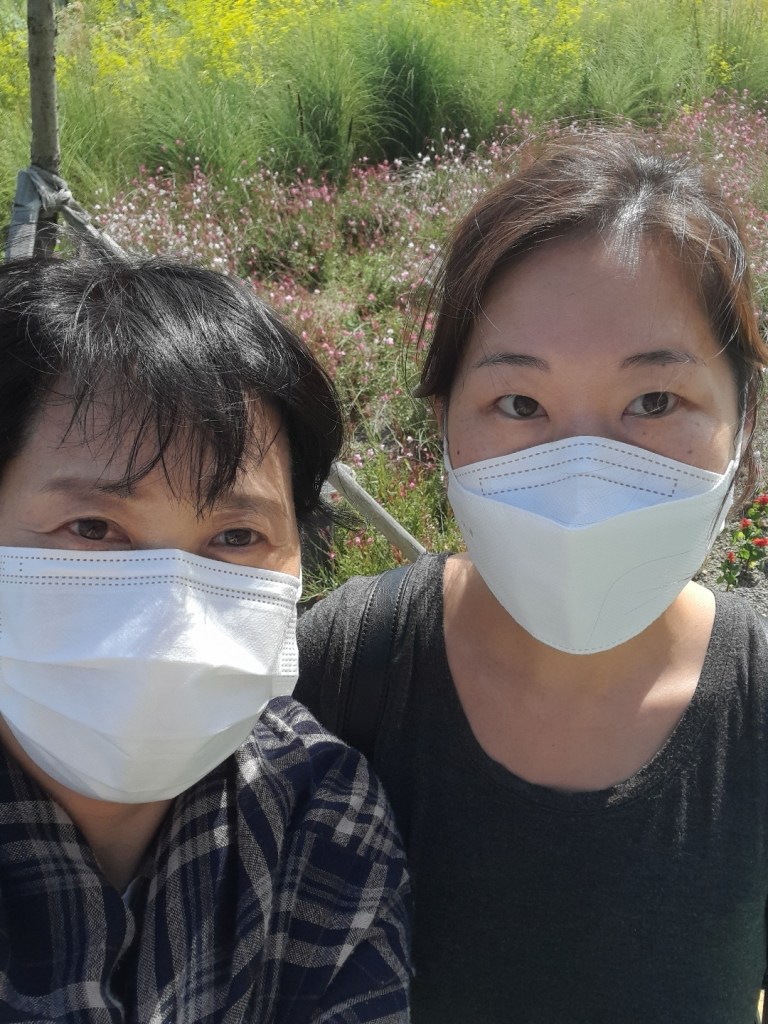
After our walk, we returned to eomma’s home, showered (something that I found Koreans seem to do a LOT, my birth family seemed to bathe 2-3 times a day), and prepared to be picked up by my uncle for Chuseok.
Something that I hadn’t been aware of is that my uncle would show up with my grandmother, fifth aunt (who met me at the airport), and fifth aunt’s daughter (my younger cousin). With my uncle, eomma, sister, and I included, plus everyone’s overnight bags, the vehicle was very cozy! That said, I really loved feeling what a “family” trip to visit an uncle for a holiday felt like.
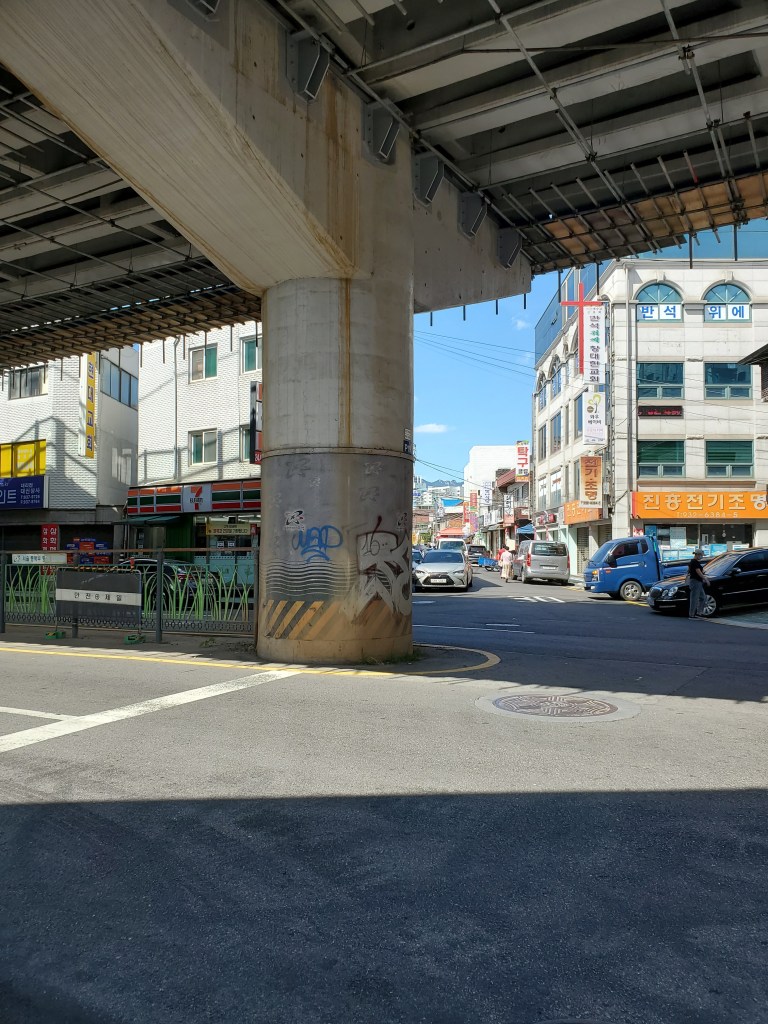
On the way we stopped at the pharmacy as well as the CU (very common convenience store) to see if we could find some medicine for my grandmother, whom suffers from digestive issues related to her age. While pretty mundane, I included some photos of the CU below.
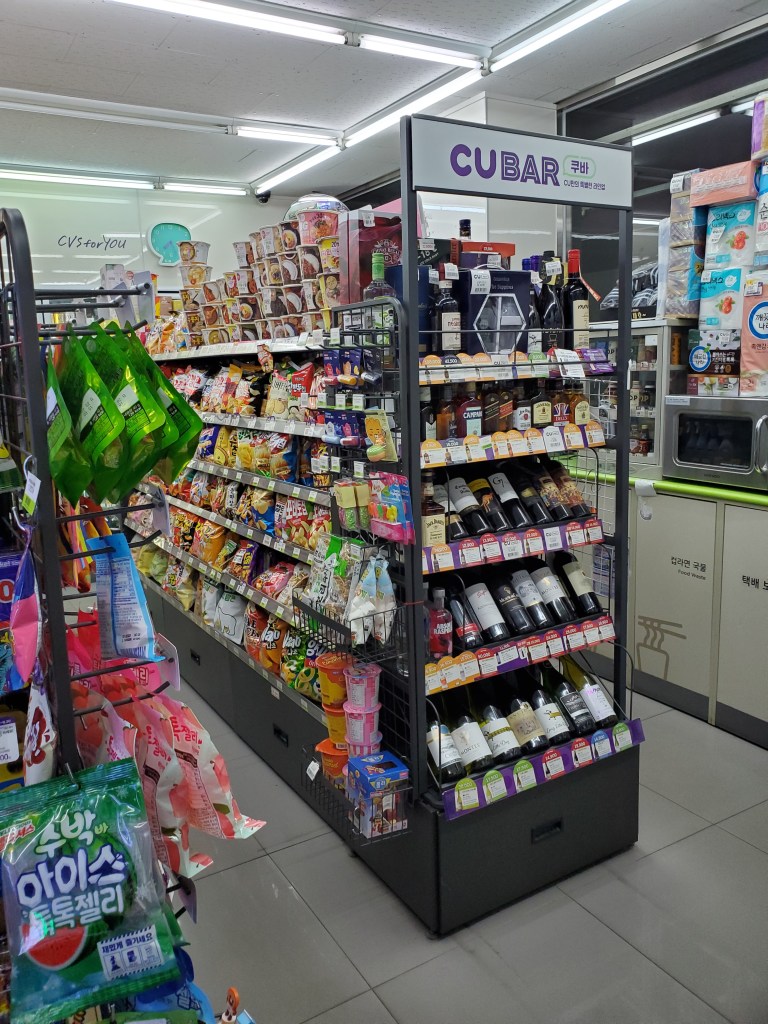
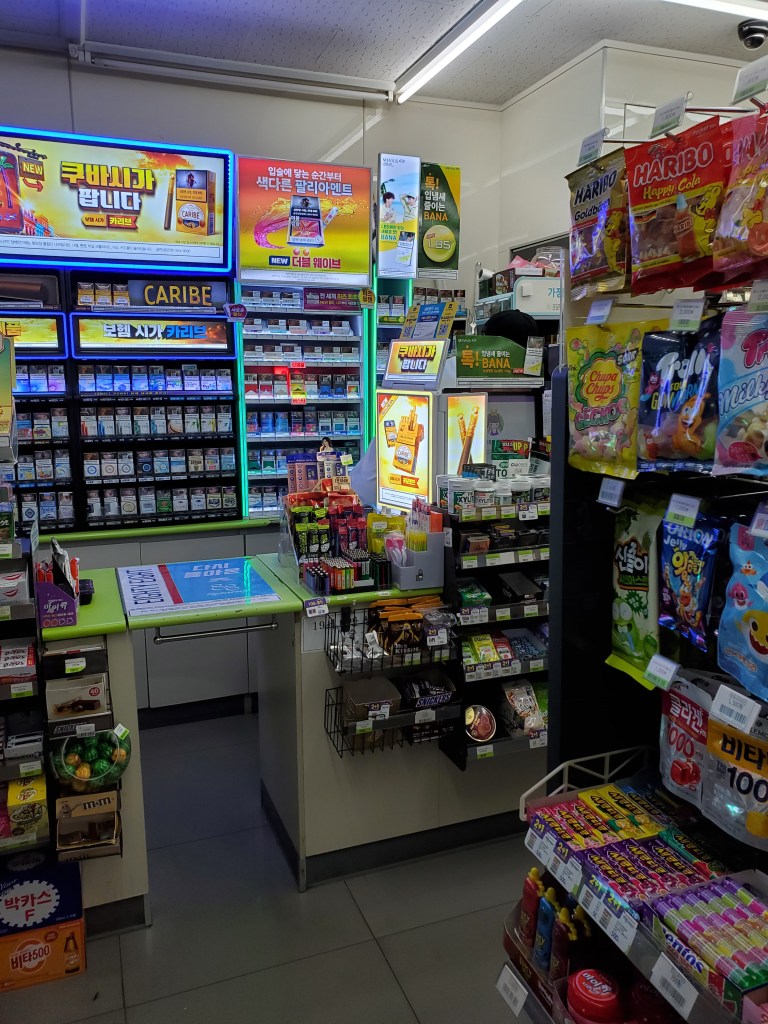
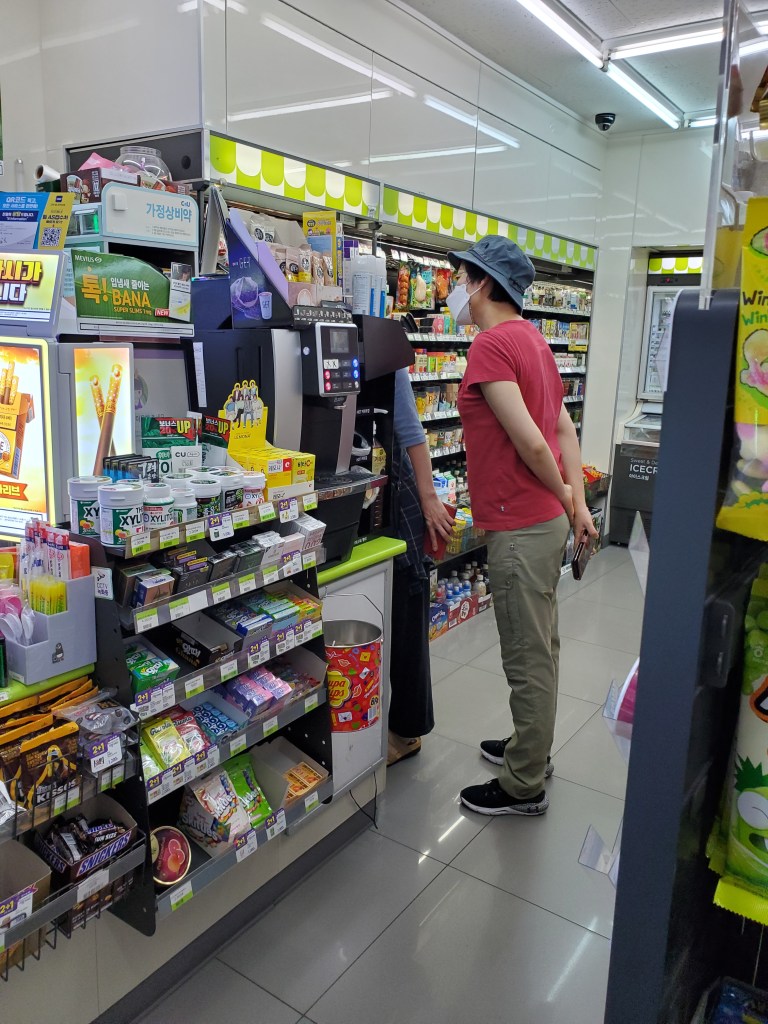
One funny anecdote, fifth aunt’s daughter kept exclaiming how surprised and amazed she was at my English skills during the car ride to my uncle’s home.
While in Korea, I found that many Koreans don’t understand how international adoption works, or much about adoption or adoptees at all. So, to her it was amazing that eonni (meaning “older sister” and the proper way for a younger woman to refer to a woman older than her) had such fantastic English! It took some explaining that I spoke English so well because it is actually the language I was raised with, despite being born in Korea and being ethnically Korean, haha. ❤ If only language transferred so easily and I’d retained Korean language skills from my infancy!
Once we arrived at my uncle’s home, I met his wife and daughter. Everyone puttered around, mingled, and prepared dinner. I was told to sit and relax because nobody wanted me to lift a finger to help (something I’m not used to that became a recurring theme during my visit). So, while feeling guilty for not being helpful, I got to bond a little bit with my grandma as we sat together on the couch and watched a popular singing show.
During this quiet time, I learned that eomma (and my younger sister) had not been to the family’s Chuseok celebrations in years. Apparently, eomma had not felt good going to them knowing that I was not there. Chuseok, and the winter holidays, had remained very hard on her since my birth and disappearance. Not knowing what happened to me, combined with family gatherings and holidays to recognize ancestors and familial ties, had been something she had avoided. So, our attendance at Chuseok together was a very meaningful to her as well as to the family. I felt extremely lucky and grateful to be able to share that experience with her.

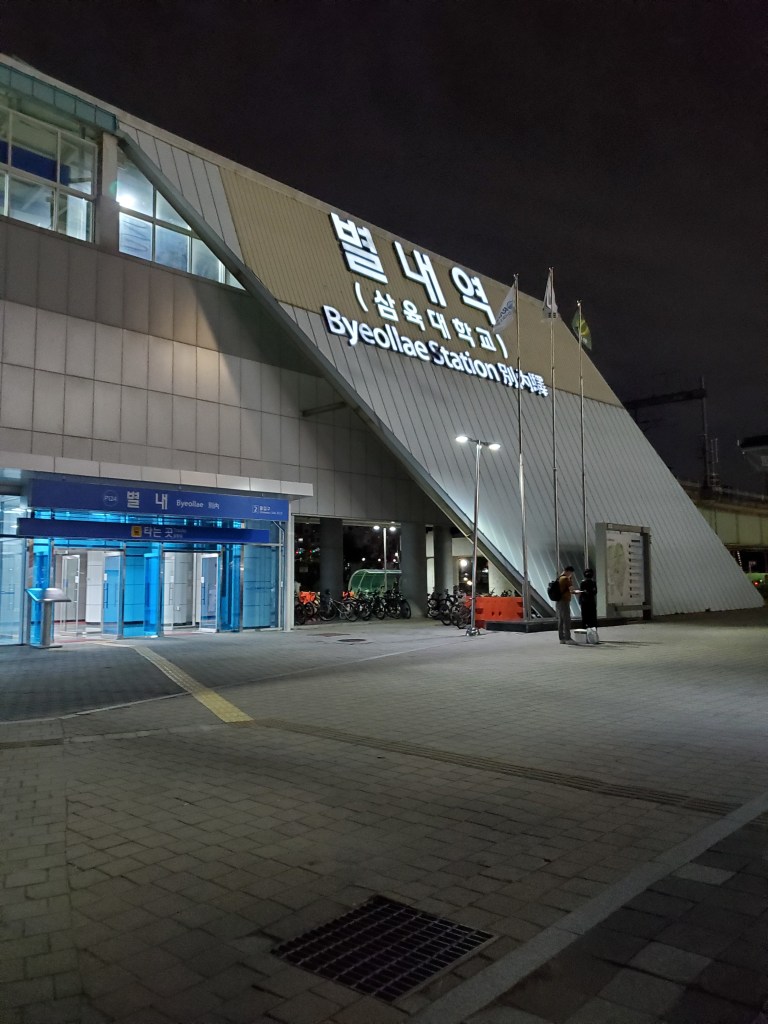
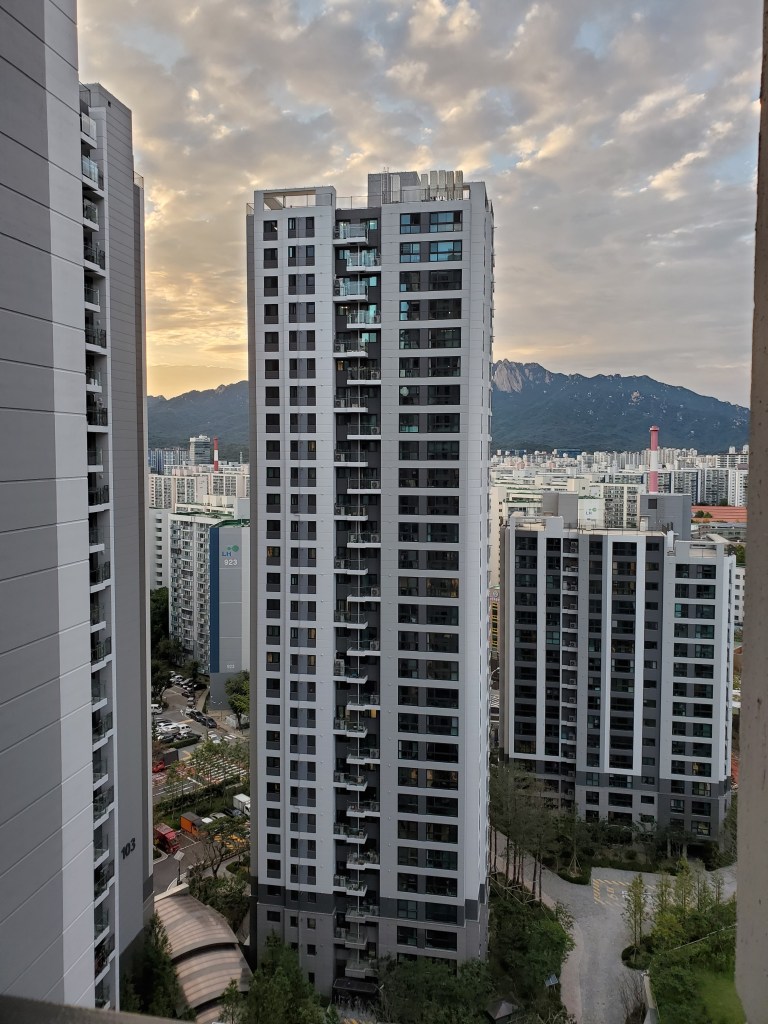
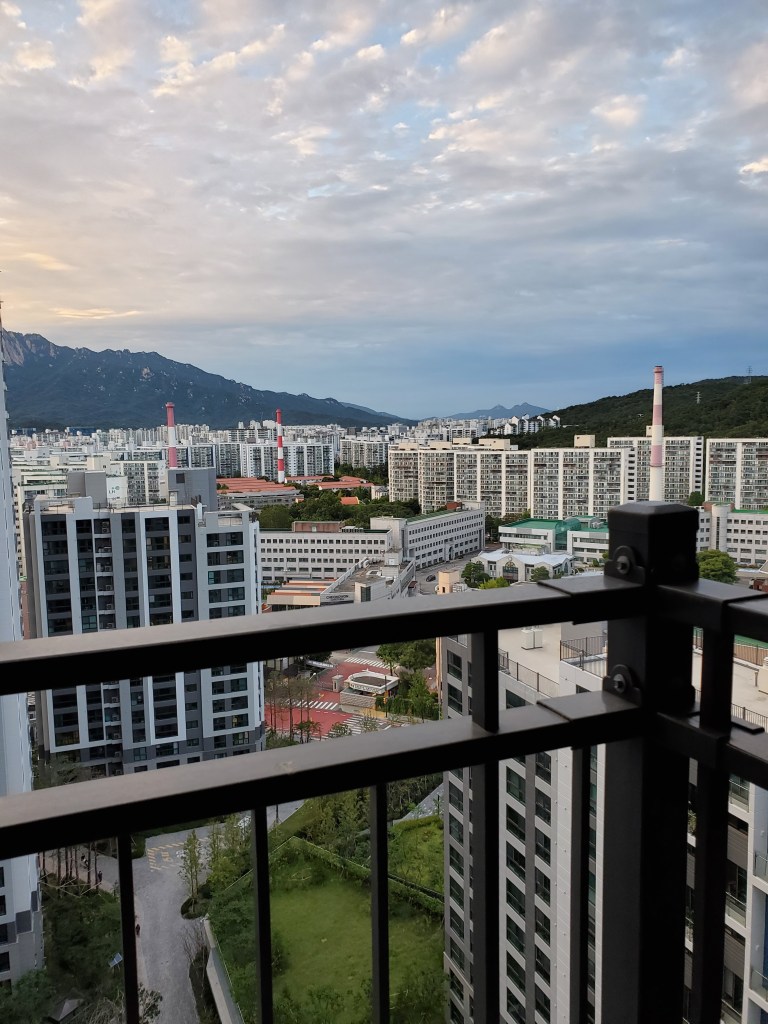
While we were hanging out I got word that another KAD friend of mine (an absolutely lovely younger woman who reached out to me when we were both in the USA before coming, right around the same time, to Korea for our first times) would be able to accept the invite that my birth family had made to have her join us for Chuseok. I was very excited, as was my birth family, that she could join us. So, my aunt, eomma, and uncle made a trip to the nearby Byeollae Station to pick her up and bring her to my uncle’s house to spend the night.
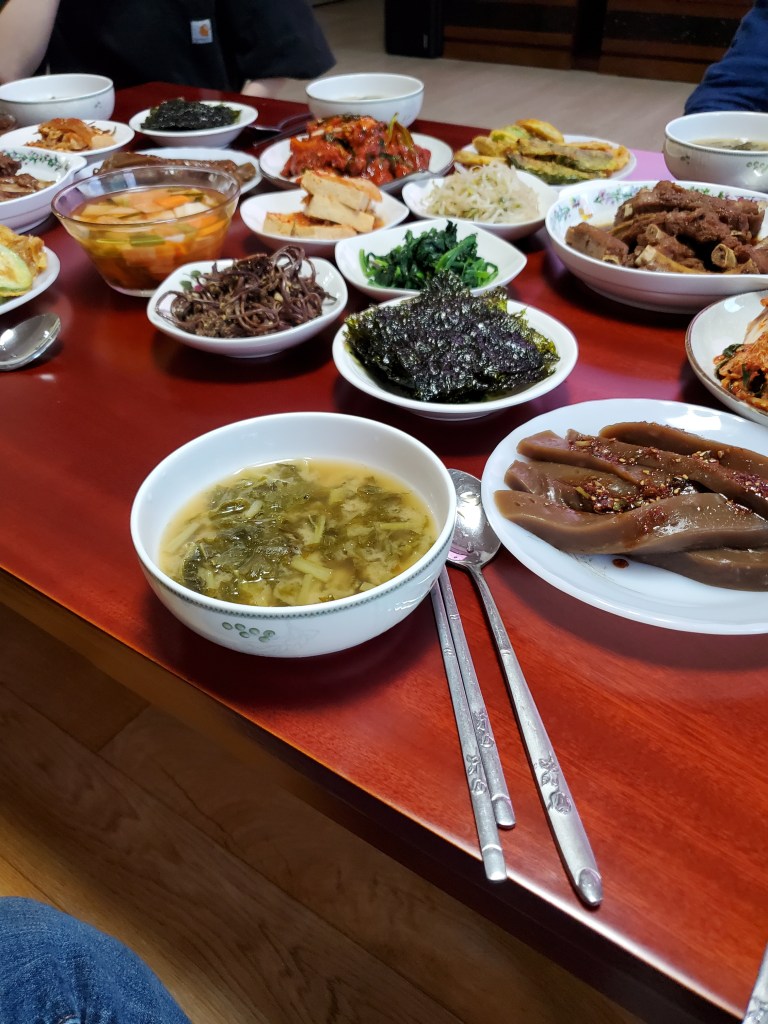
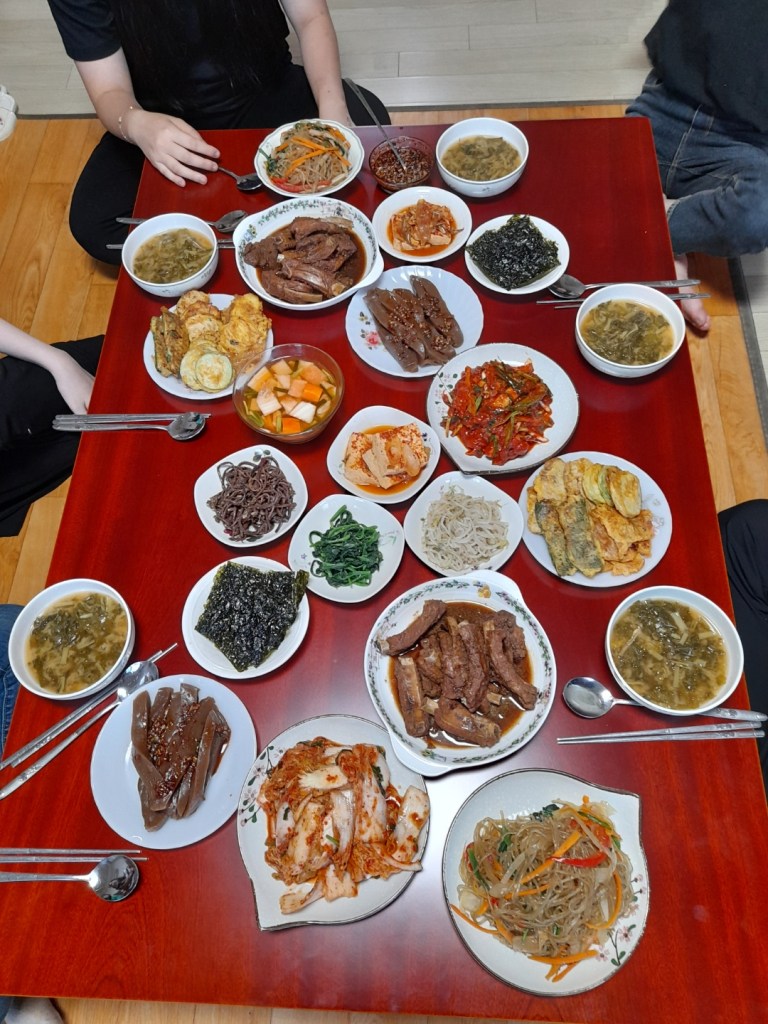
After returning to my uncle’s home we had a delicious dinner. As you’ll see in the photos below, there were many side dishes (banchan 반찬), soup, and rice on the table. This is very typical of a Korean meal.
After dinner, we enjoyed a walk around Byeollae-Dong, visiting the popular “cafe street” nearby.
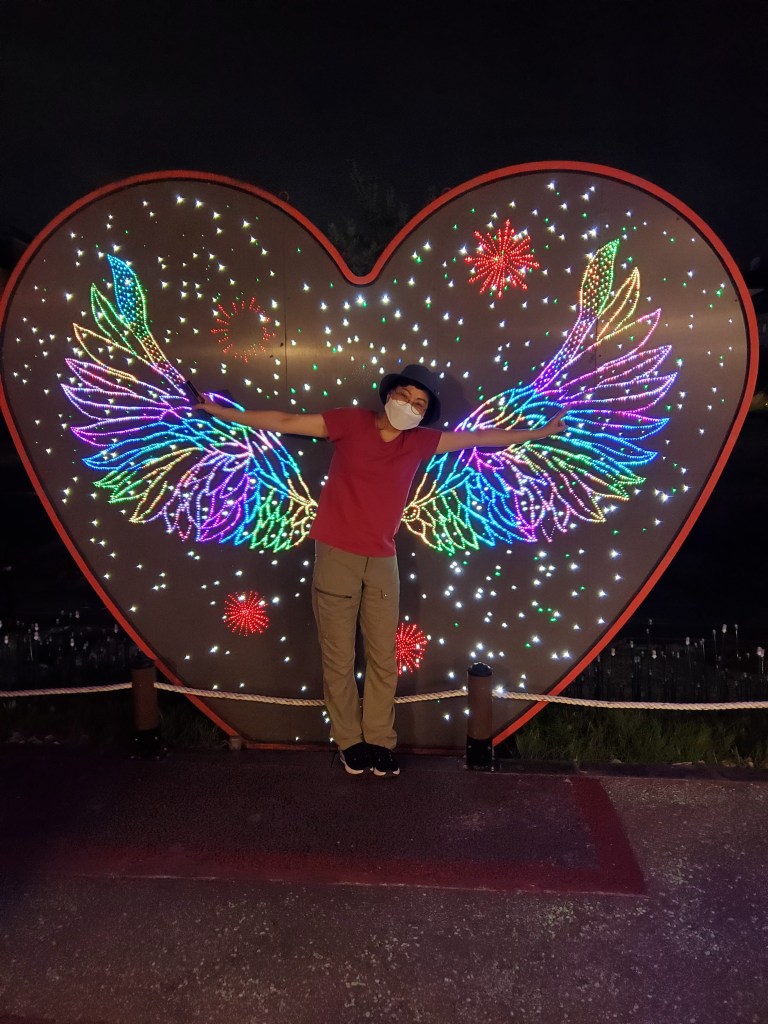
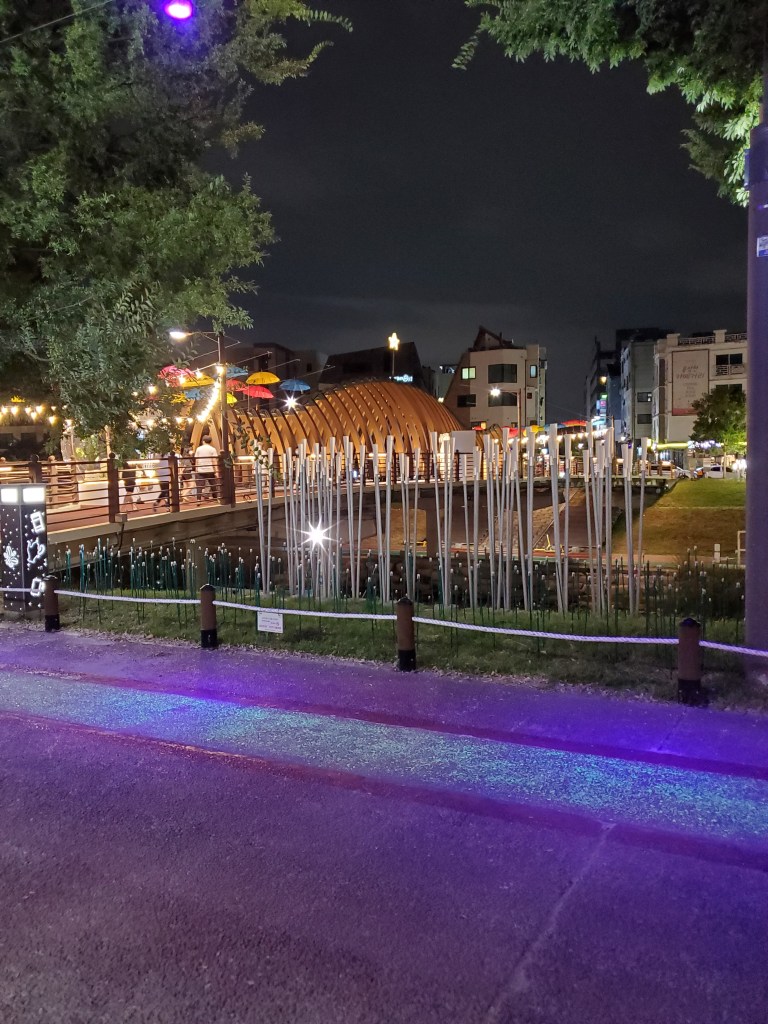


After returning to my uncle’s home we all retired fairly quickly, after showering and preparing for bed. My uncle and his wife kindly let my friend and I share their room.
The next day the family got up early in order to prepare for Chuseok. Unfortunately it was raining, so we were unable to do Seongmyo 성묘 (visit to ancestral graves. However, there was plenty of things to do to prepare for Charye 차례 (ancestral memorial service) including the feast to set on the table for the ancestral offering. Because of how complex and long the proceedings are for Charye, it is common for families to start very early.
Traditionally, Korean families pass the ceremonies through the eldest living male. In this case, my uncle performed the ceremony and we provided the offering to my deceased maternal grandfather. He performed gangsin 강신 which involved lighting incense, pouring liquor, and bowing.
Next we did chamsin 참신 to greet our ancestors. My uncle invited eomma and I to perform that step with him, which was very cool and I felt extremely honored to be included. Keeping our left hands atop our right, we bowed together twice. As my ancestors and my birth family had never really gotten to know me, and didn’t necessarily even know of my existence, this inclusion was especially meaningful. It was like I got to greet our ancestors, with my uncle and eomma introducing me to them.

After all of the proceedings were through and the ancestors had received the offerings, we all partook in the feast. Similar to dinner the previous night, there were many dishes, soup, and rice. Some of the foods, however, were traditional to Chuseok. Everything was delicious. It also happened to be my uncle’s birthday, so we included a little celebration for him.
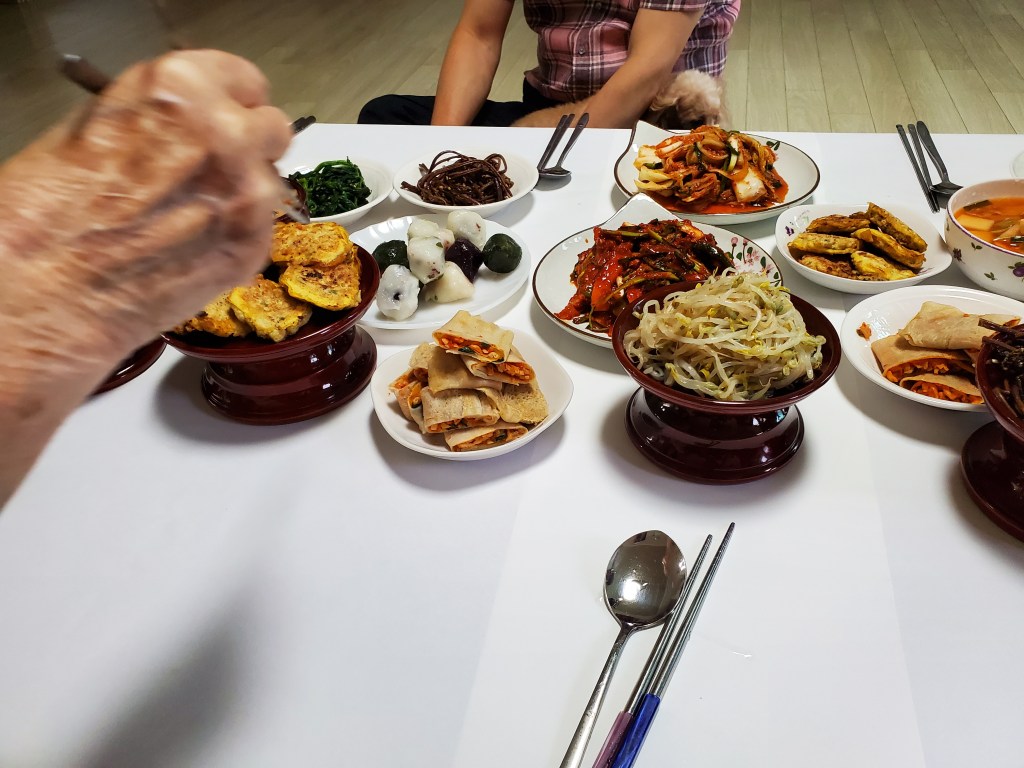
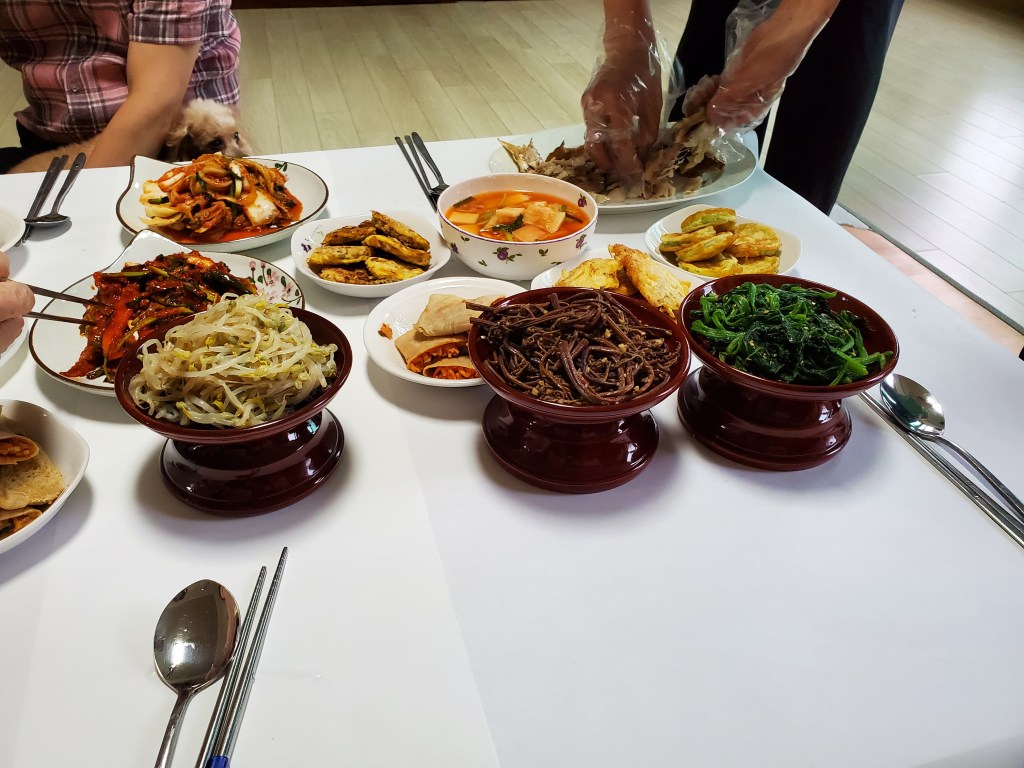
Similar to the previous day, we went back down to cafe street and walked off some of the meal. Afterwards, eomma, my younger sister, fifth aunt, fifth aunt’s daughter, my KAD friend, and I returned to eomma’s home in Nowon-Gu to relax, to enjoy even more food (rose tteokbokki, which is a cream and cheese version of tteokbokki), is ridiculously tasty and popular in Korea right now).

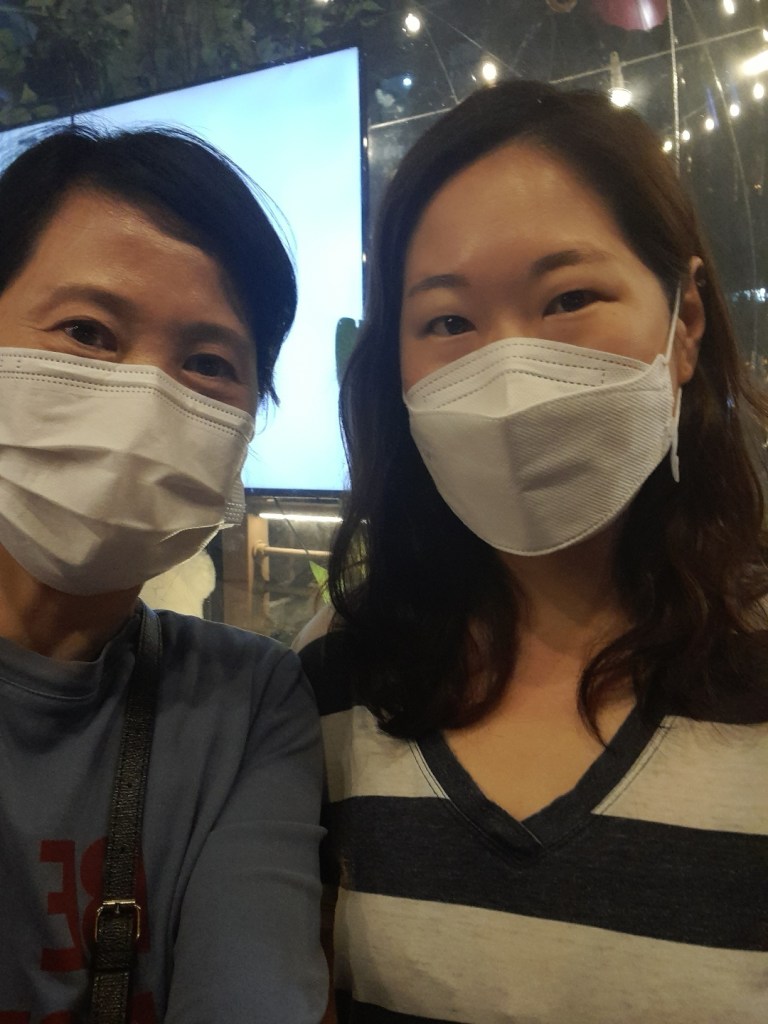
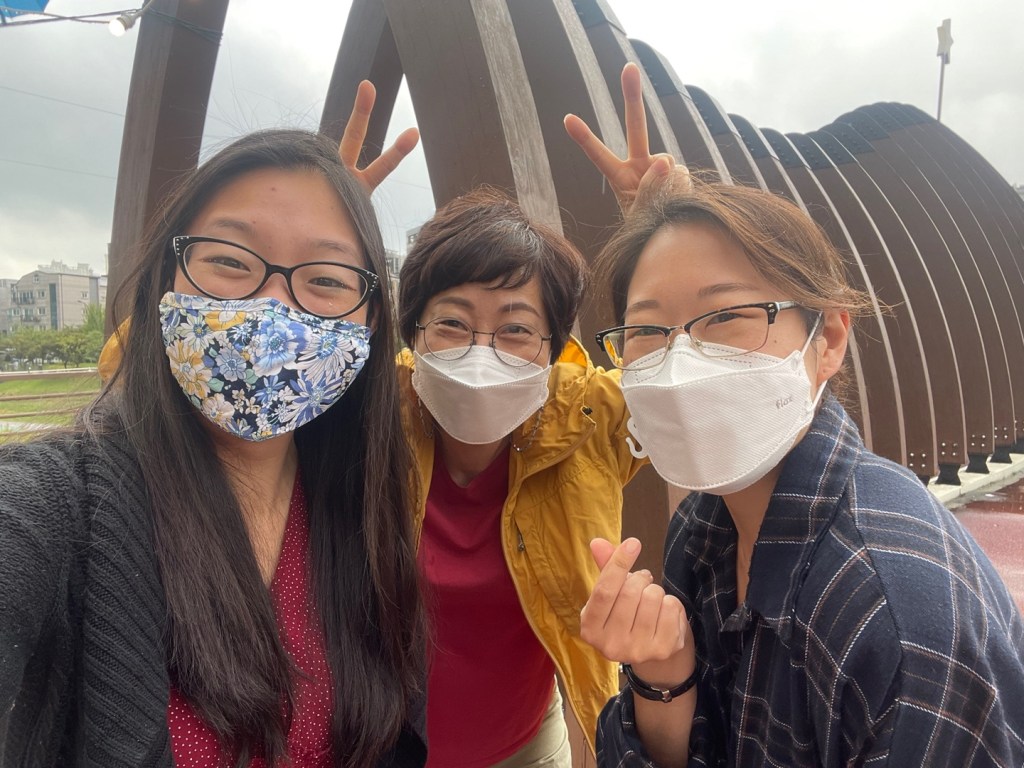

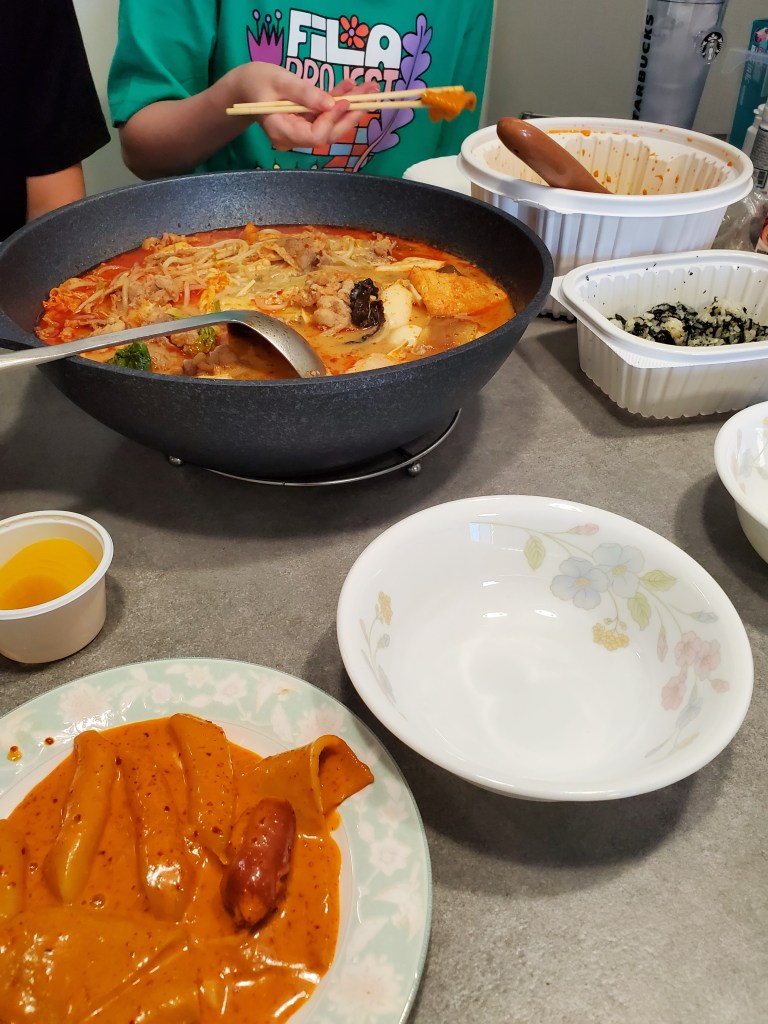
Anyway, this turned into a rather long post! I didn’t capture everything here, but wanted to share as much as possible about how I spent Chuseok.
I consider myself very lucky to have been given the opportunity to participate in Chuseok, to be able to share the experience with my KAD friend, and for my birth family to embrace me as family in the way that they did. It was all a bit overwhelming since I’d just arrived in Korea the day before, hadn’t yet gotten my bearings, and was still in the fledgling stages of being physically with my birth family. I think, too, because of how “fast” everything was proceeding, I didn’t have time to balk or even process (something which caught up to me later, which I might touch on in this blog). But, because everyone was so open, caring, and willing to try, the challenges (physical, emotional, communication, culture) were surmountable.
I was, and am, starkly aware of how fortunate I was to be one of the few KADs to not only “find” or “be found by” birth family, but also to be able to come to Korea and, furthermore, to be embraced and included by everyone in the way that I was.
For those KADs whom embark on a similar journey, or just folks interested in visiting Korea as a tourist regardless of Korean heritage, I suggest that you accept any opportunity that comes to you if someone invites you to participate in Chuseok if you are able (physically, mentally, emotionally).
Thanks all for reading! Next up, I will be talking about my continued journey, visiting more maternal birth family in Daejeon with my eomma and fifth aunt.
Until next time, 사랑해요. I love you.
Learning to be Korean ❤







 Learning to be 한국인